
Bulgaria – Expanding the National Network of Protected Areas
Bulgaria, under the leadership of the Ministry of Environment and Water (MOEW), continues to expand its protected area network as part of national commitments to biodiversity conservation and the global 30×30 objective. The percent of protected areas (including Natura 2000 sites) by the end of 2023 under national legal protection is 35 %. The percent of marine protected areas is 8%. Bulgaria is updating procedures for new site designations and strengthening coordination through a multi-institutional working group.
Bulgaria’s Path to 30×30
A National Ecological Network has been established in Bulgaria, comprising Natura 2000 sites (according to EU Birds and Habitats Directives) and national protected areas. The different protection categories overlap considerably.
Bulgaria has designated a significant number of protected areas (including Natura 2000 sites) by the end of 2023. The total area of the National Ecological Network (without overlap) is 4 176 820 ha out of which 3 894 685 ha are terrestrial area and 282 135 ha are marine. Thus, the coverage of the network has reached 35% of the national territory and 8% of the Black Sea under national jurisdiction (including EEZ).
Significant progress is made in nature protection and restoration in accordance with strategic documents and EU legislation. With 35% coverage of the national territory, Bulgaria is among the EU leaders, following Slovenia and Croatia. Having exceeded the 30% terrestrial protection target, the policy focus is now on effective management and development of the marine network.
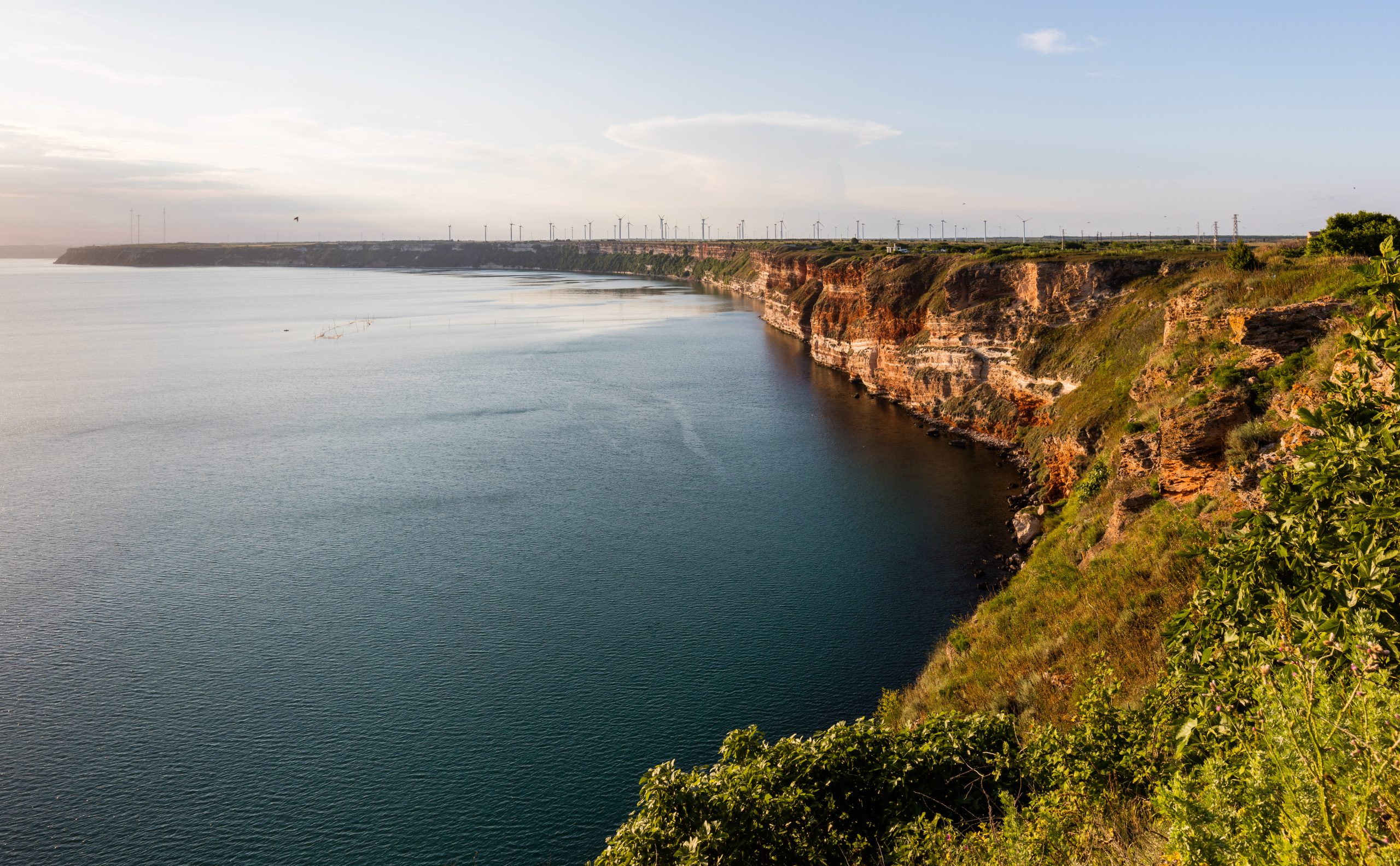
The Ministry of Environment and Water (MOEW) oversees national policy for biodiversity conservation, supported by regional inspectorates and specialized agencies. Ongoing work focuses on expanding the coverage of protected areas through new designations and adjustments to existing site boundaries. Recent proposals have included sites such as Maritsa River, Arvaliyka, Krayrechnata Gora, and Zlatishka Beech Forest, as well as updates to regimes in areas like Kaliakra Complex. These measures aim to strengthen ecological connectivity and ensure that national conservation priorities remain aligned with EU directives and the Kunming–Montreal Global Biodiversity Framework.
A multi-institutional working group, coordinated by MOEW, has been established to review and streamline procedures related to protected area designation and management planning. The group brings together representatives from government institutions, scientific bodies, and non-governmental organizations to enhance coordination, data sharing, and technical review processes. In parallel, Bulgaria continues to improve monitoring systems and spatial data management to support decision-making and reporting under EU and Convention on Biological Diversity frameworks.
Outcomes and Lessons
Bulgaria’s approach reflects a mature and comprehensive national system for area-based conservation. The consolidation of protected and Natura 2000 sites provides a strong basis for achieving national and international biodiversity targets. Ongoing procedural updates and the establishment of a multi-institutional working group demonstrate the country’s commitment to improving coordination, data integration, and transparency in conservation planning. Key lessons include the value of maintaining consistent governance mechanisms, enhancing collaboration across institutions, and integrating scientific input into designation and management processes. These efforts collectively contribute to Bulgaria’s continued progress toward effective and representative area-based conservation under the 30×30 framework.