
Inland Waters
How Target 3 Applies to Freshwater Ecosystems
How Inland Waters Contribute to Target 3
The importance of protecting inland waters ecosystems
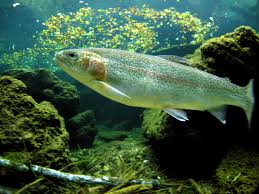
Inland waters – including rivers, lakes, and other wetlands – represent some of the most biodiverse and threatened ecosystems on the planet. Monitored freshwater populations have declined 83% on average since 1970, twice the rate of marine and terrestrial, with almost 1 in 3 species threatened with extinction. Inland waters – in particular rivers – also provide vital connectivity between all ecosystems.
Yet inland waters continue to be under-represented in conservation coverage and management planning. Inclusion of inland waters in the 30×30 target and indicators is therefore essential to achieve the Global Biodiversity Framework’s goals to halt biodiversity and nature loss. Many inland waters also have sacred values for many Indigenous peoples and a variety of faith groups.
The Protected Planet database currently does not provide a separate analysis of the amount of inland water in protected and conserved areas. UNEP-WCMC and partners are developing an approach to address this.
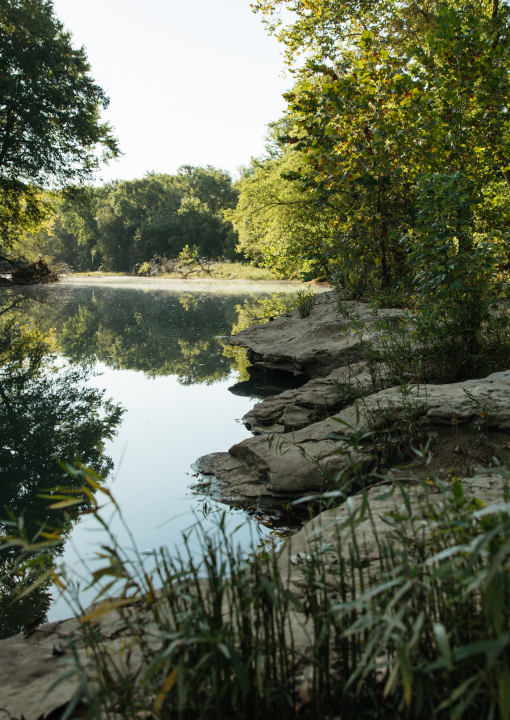
©Terra Fondriest/TNC
Key Considerations for Protecting Inland Waters
How to Protect and Conserve Inland Waters
There are a wide range of area-based approaches already used in inland waters that can contribute to Target 3.
These include novel approaches like fluvial reserves, and community fish sanctuaries, although their match to consistent protected areas and other effective area-based conservation measures OECMs definitions and IUCN management categories may have to be assessed on a case-by-case basis.
An inventory of these areas could be conducted alongside country-mapping of freshwater Key Biodiversity Areas (as yet not mapped comprehensively in freshwaters), and overlaying of spatial data from the forthcoming IUCN Red List of freshwater fauna as a first step for identifying potential Protected Areas and OECMs that can contribute to Target 3.
Marxan tools are available specifically for spatial planning and inland waters and the Freshwater Health Index can indicate baselines and enabling conditions.

Enabling factors and challenges
Conservation and restoration (Target 2) of inland water ecosystems depends partly on whether the whole or most of the focal habitat is within the protected areas and OECMs – if a river runs only a short distance through an area it will be harder to manage the influence of threats originating externally such as pollution or overfishing.
However, this challenge also represents an opportunity for integrated river basin management, particularly regarding improved connectivity and quality of water resources for people. Such an approach would also contribute to Target 1 as an area under participatory integrated spatial planning where the rights of Indigenous peoples and local communities are respected.
It will be a challenge, but there is also an opportunity to align or balance the needs of local communities, downstream and upstream water users, infrastructure development outside the protected areas and OECMs’ borders, and dependent biodiversity. The effective protection of inland water biodiversity within these areas will require, where appropriate, legal imposition, regulation and enforcement of limitations on external activities.
This will require careful participatory approaches and free, prior and informed consent – FPIC, but if protection and development can be balanced, inland waters will contribute to conservation at a basin-wide level both within and outside Target 3.
Designing and managing protected and conserved areas to support inland water ecosystems and biodiversity
https://doi.org/10.2305/ZOKC6253
This technical guidance serves as a reference for parties responsible for, and with a vested interest in, protected and conserved areas. This includes ministries, agencies and actors responsible for protected and conserved area management, monitoring and expansion; Indigenous peoples and local communities; and those responsible for conserving inland water ecosystems, their biodiversity, and linked services (e.g. inland fisheries). The authorities responsible for protected and conserved area management and for managing inland water ecosystems are often organized in separate institutions, making liaison important.
Considering the intended audience, the guidance is structured to:
- Be practical and provide readily adoptable advice.
- Synthesize scientific publications and practitioner guidance.
- Provide clear checklists with hyperlinks to resources that can provide more in-depth information.
- Emphasize case studies to illustrate key points, with case studies threaded throughout the main document and summarized in an appendix.
The report is organized in six primary chapters:
- Purpose and baseline.
- What makes inland waters unique when approaching protected and conserved area design, designation and management?
- Starting with human rights, equity and inclusion.
- Strengthening and expanding the protected and conserved area network.
- Designation and governance.
- Management and financing.
Key takeaways
- Inland water protections are possible, they can contribute to meeting 30×30 goals, and they are essential for bending the curve of freshwater biodiversity loss.
- Inland waters are connected, dynamic systems, and maintaining connectivity and flows are critical to the systems’ health.
- Around the world, new mechanisms designed specifically for protecting and conserving inland waters and their key ecological attributes are emerging.
- The report provides clear guidance and documentation on how to effectively implement, monitor and expand protected and conserved area designation and management for inland waters.
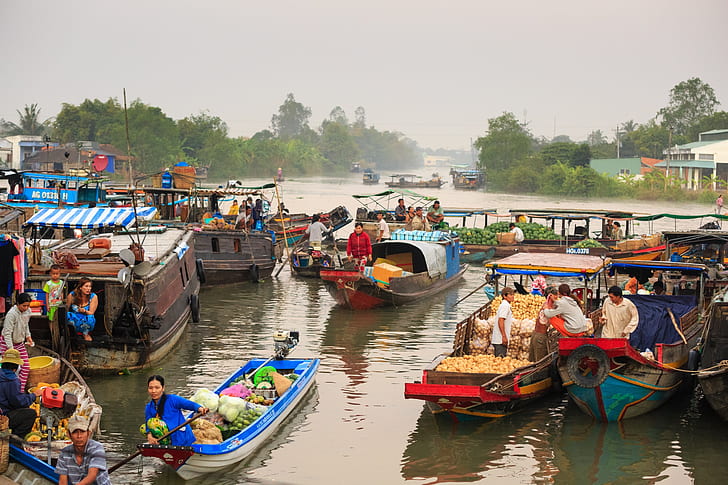
The video “Freshwater Protected Areas in Lao PDR” provides a valuable case study of fish conservation zones in freshwater basins of the Mekong Delta, outlining the importance of freshwater protected areas.
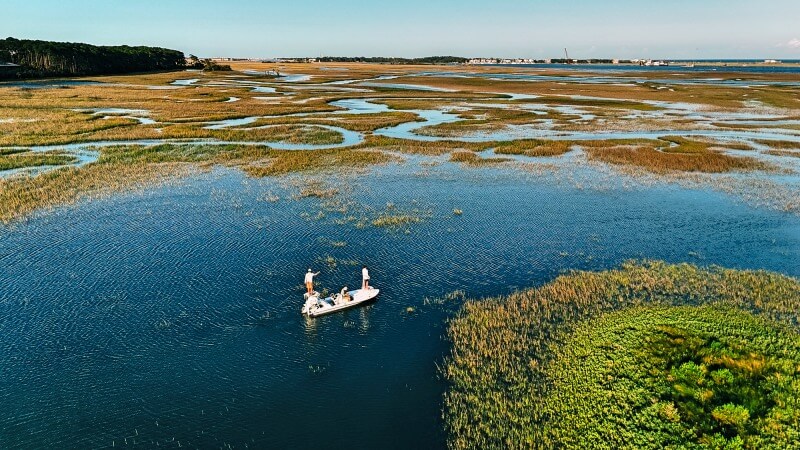
IUCN-WCPA’s publication “The Role of OECMs for Inland Water Biodiversity Outcomes” explores how OECMs can deliver biodiversity outcomes and identifies considerations for further OECM exploration.
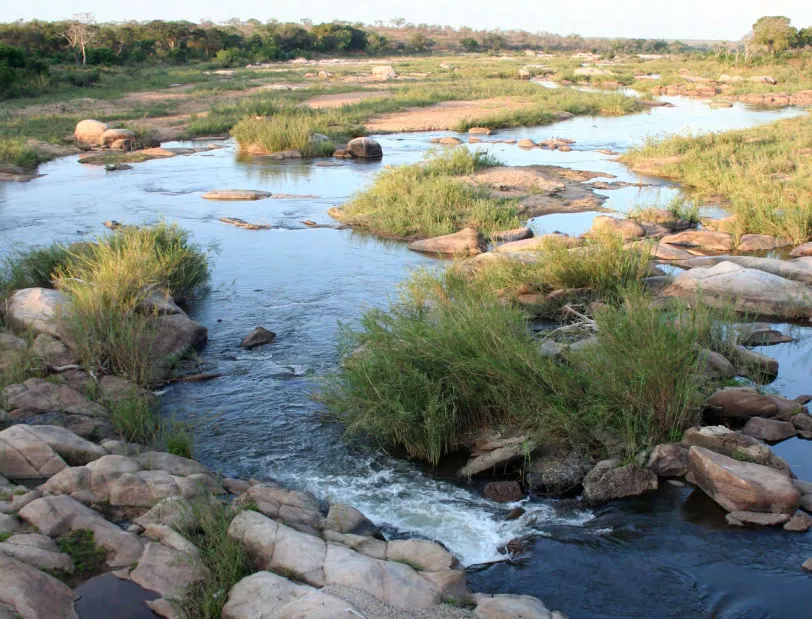
Strategic Adaptive Management (SAM): guidelines for effective conservation of freshwater ecosystems lays out the basic steps required by a catchment or protected area manager to begin the SAM process.
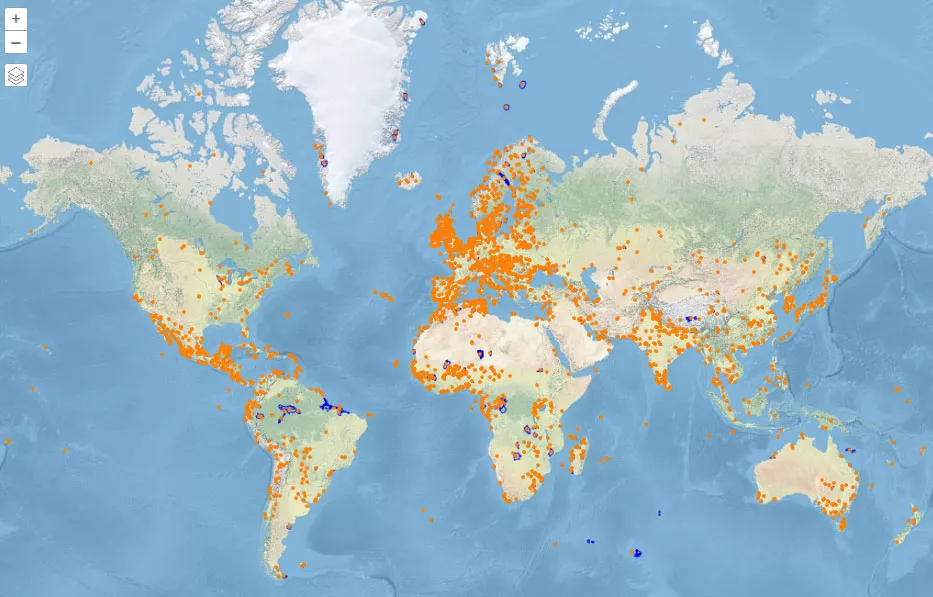
Ramsar Sites Information Service provides maps, databases, and other essential information on wetlands that have been designated as internationally important.
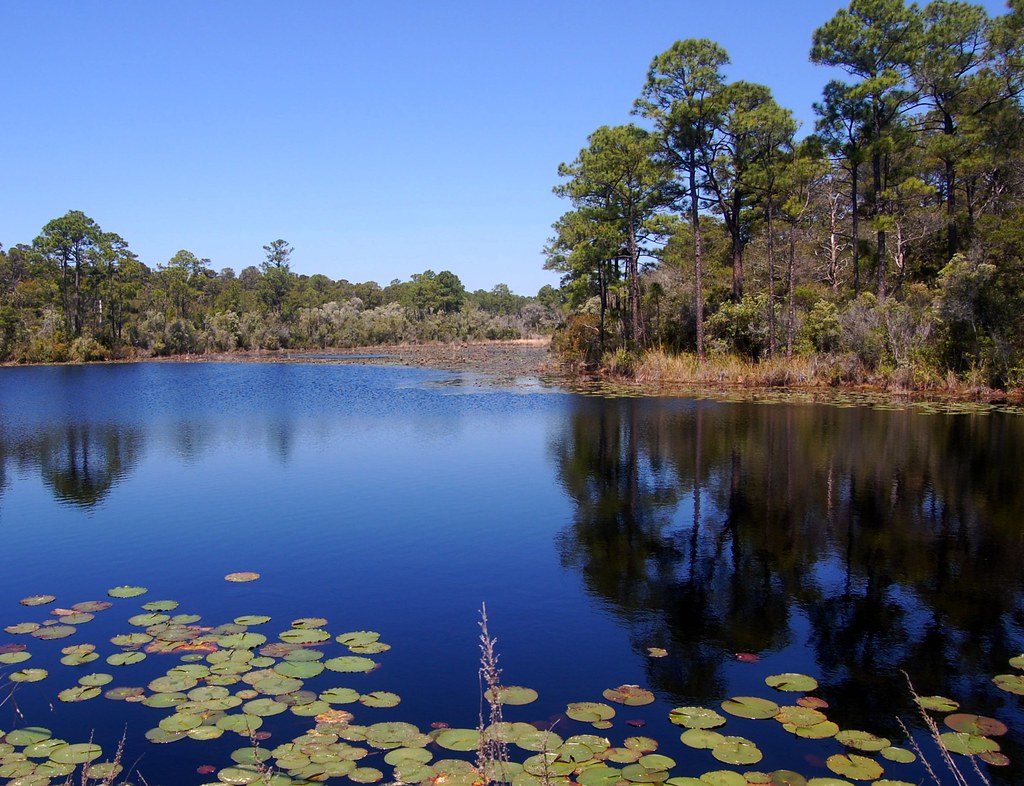
Freshwater Ecoregions of the World (FEOW) is an ecoregion map that is a useful tool in global and regional conservation planning. It provides a new global biogeographic regionalization of the Earth’s freshwater biodiversity.
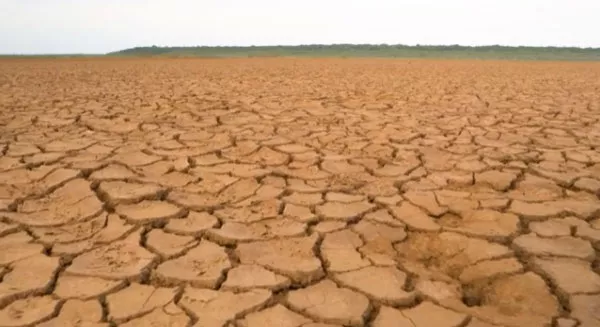
Durable Protections for Free-Flowing Rivers highlights examples of permanent protections of free-flowing rivers through research, law, policy, and on-the-ground implementation of conservation, restoration, and management strategies.
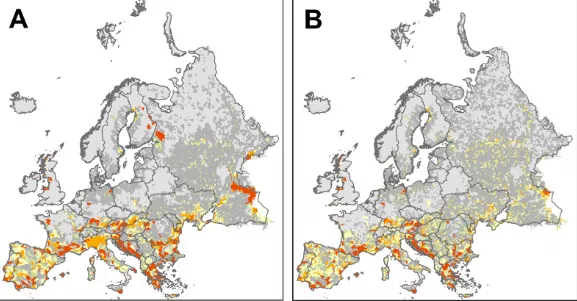
Spatial priorities for freshwater biodiversity conservation in light of catchment protection and connectivity in Europe presents continental-scale conservation priorities for freshwater ecosystems in ecologically meaningful planning.
Protected areas and freshwater biodiversity: a novel systematic review outlines the effectiveness of freshwater protected areas through assessment of published scientific evidence.